For many years now, users have been facing issues with the firewall and HIPS. Bugs plague CIS and CF everywhere. This raises the question: why does Comodo include these components if its security philosophy is based on sandbox isolation? In all my time using Comodo, only two components have proven to be stable: the antivirus and the auto-sandbox. I suggest that the developers optimize the Comodo product line. Provide regular users with solid protection in the form of antivirus + sandbox by removing the firewall and HIPS, which are completely unnecessary for home users. This way, you’ll save time and resources. And focus specifically on these two protection components: antivirus + sandbox. Users won’t lose anything in the process. Gone are the days when the Windows firewall was full of holes and the proprietary firewall in antivirus software was the gold standard. Glory to Melih, son of the Turkic people! Long live Comodo!
Any program with administrator privileges can create a rule in the Windows Firewall, so it doesn’t make much sense to me to use it if anything can get through it.
Any legitimate program—from well-known brands to obscure ones—needs internet access. Without the internet, there will be no new updates, bug fixes, or customer support. And anyone suffering from paranoia can manually add rules to the Windows firewall to block a particular program. Or better yet, they should just throw out their computer and go live in a cave.
For 99% of internet users, a firewall isn’t needed at all. They don’t even know what it is or what it’s for. That’s why fussy CIS users are still running around complaining about problems with their firewall or HIPS system—which, for the most part, they don’t need. The main protection is antivirus + a sandbox. They aren’t intelligence agents or major oligarchs with billions of dollars stored in their systems. Their whole problem is in their heads. They think that just because they have a firewall and HIPS, that’s cool. And then they suffer from bugs and other issues. They have a “software gigantism” complex—the more components, the better. But that’s not the case. The more components, the more bugs.
There is telephone customer service, no internet required.
There is offline updating, Windows itself supports it, etc.
Windows and routers have a firewall by default, if users didn’t need it, it wouldn’t be there unnecessarily.
I’m really glad you got my point. Why reinvent the wheel when Windows already provides its own firewall. Trend Micro, Emsisoft, Qihoo 360, and Avira have long since abandoned their own firewalls, focusing instead on their strengths—antivirus and proactive protection for home users. Firewalls are needed where big money is at stake, and that’s with business clients. Businesses have their own security departments where specialists can configure the firewall to meet the company’s specific needs.
I have a friend who bought a license for ESET Internet Security. He messed up the firewall rules while trying to configure it. He was really stressed out about it. And 99% of people are just like my friend. That’s why ESET’s HIPS system is in such a sorry state. People don’t know how to configure it. The developers focus primarily on reactive cloud-based detection to make it easier for people to use right out of the box.
With Comodo AV, the antivirus and sandbox components are easy to configure. These two components form the foundation of the entire protection system, along with cloud-based lists of trusted vendors. For the average user, this is enough to protect the system from hacking and infection.
People have gotten into the habit of chasing after the latest iPhone models. This trend hasn’t spared the personal antivirus market. People are willing to pay for Total Security, Titanium Security, Internet Security, and Space Security—anything with a catchy name. They don’t even use half of the components in these software packages. Why pay extra for a firewall when Windows already has one? Why pay extra for web protection when this feature is built into all browsers? Browser giants like Google and Microsoft successfully block dangerous links and phishing attempts. Why reinvent the wheel? Everyone has everything. But there’s no Auto-Sandbox. Only Comodo has it. For the Auto-Sandbox to work properly, it only needs an antivirus engine and a whitelist of trusted providers with cloud integration. And other elements related to reactive detection, such as heuristic detection and behavioral analysis like Viruscope. Browsers handle phishing, email services handle spam, and Windows handles the firewall. It’s all very simple. As I mentioned earlier, my friend bought ESET Internet Security and couldn’t configure the firewall rules. He was very upset, very upset. He didn’t have good cards. It was a bad deal for him. So he became the 47th so that the guys at the Pentagon could configure his firewall 24/7 while he plays golf. That’s a good deal. That’s a very good deal. He now has good cards.
It doesn’t need AntiVirus itself, you can install CF and use sandbox as usual.
One moment they’re trusted, second - spreading signed ransomware.
Vendor-based trust is simple way to mass-whitelist software but it’s also dangerous as you put your safety solely in vendor’s arms. I prefer to whitelist trusted vendors myself.
Comodo must first vet an application prior to oy being Trusted no matter who (or what) signs and counter-signs it.
A Video Example: https://www.youtube.com/watch?v=9rUfoOwGj6Q
Hi, expert! Can you tell me why this virus bypasses CAV’s protection and changes the account name to “MR KRABS WAS HERE!”?
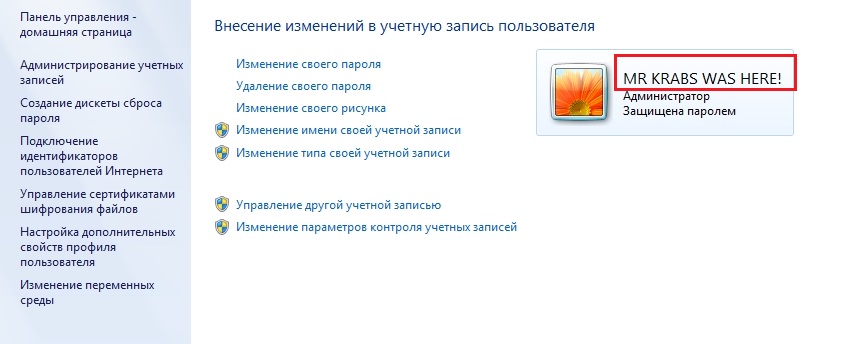
I’ve tried various sandbox settings and enabled HIPS, but the virus still changes the account name.
Here are my main settings:
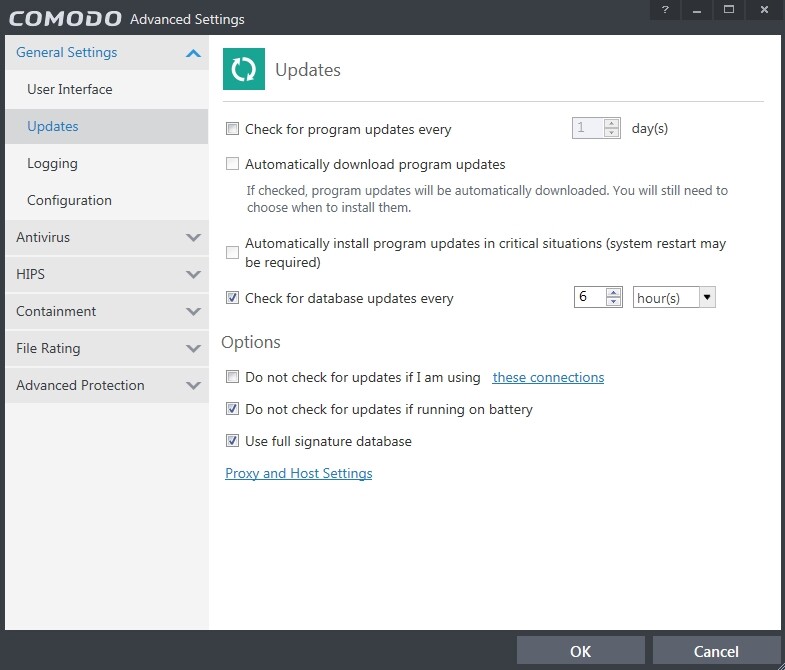
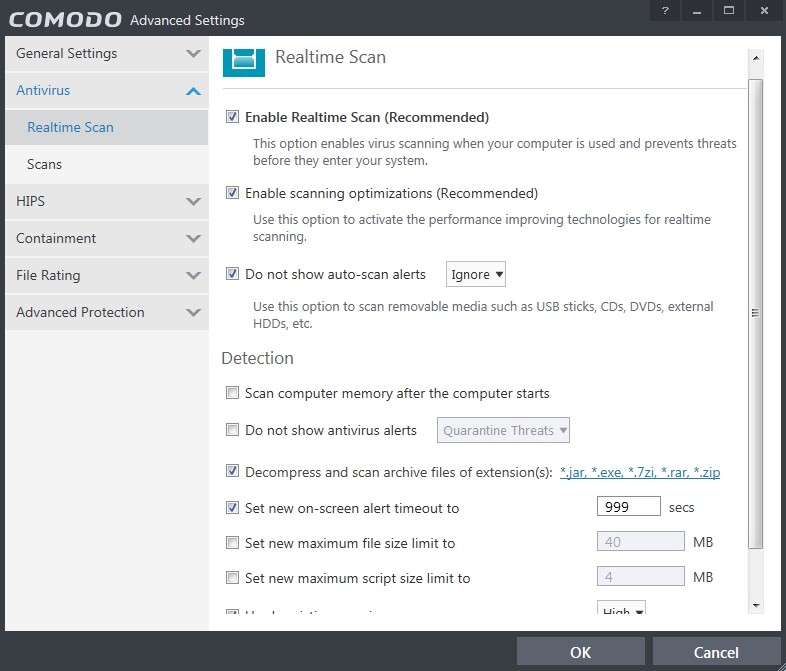
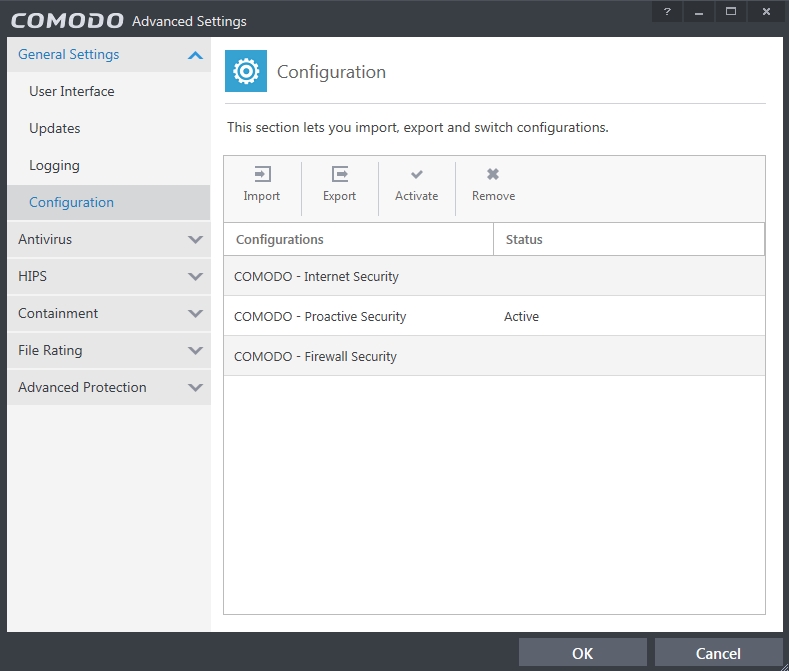
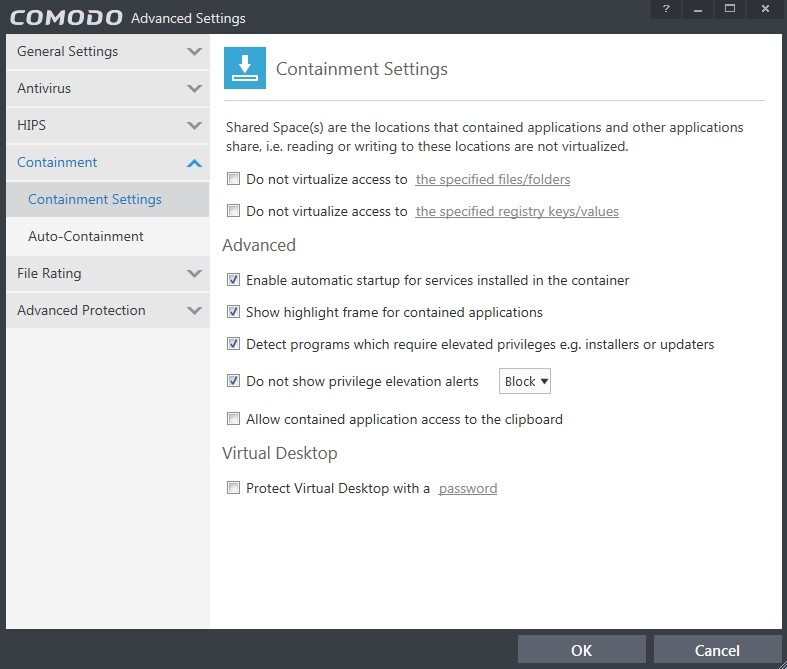
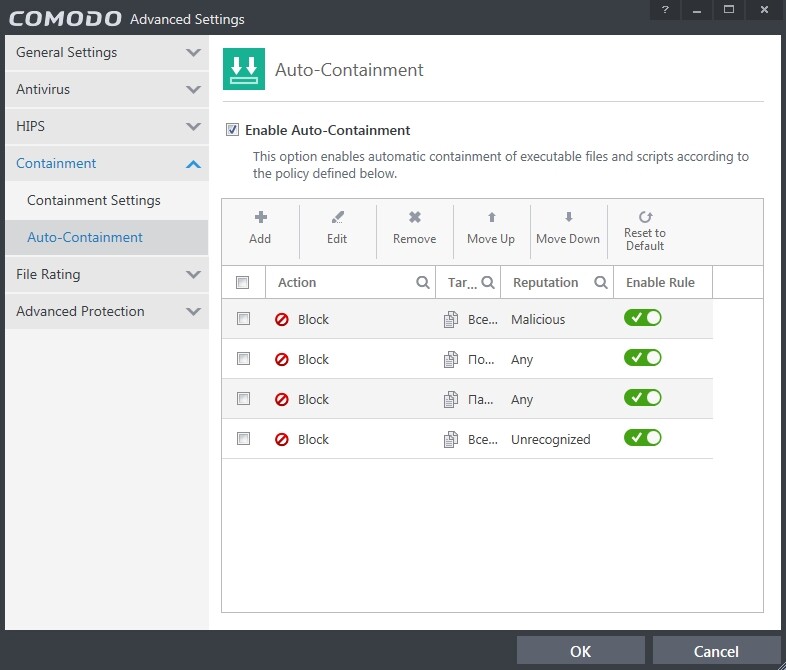
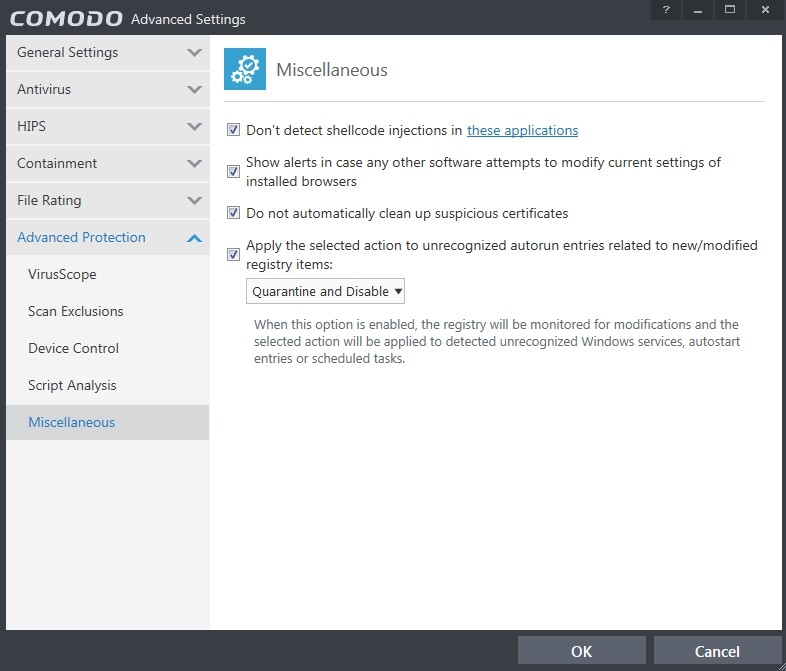
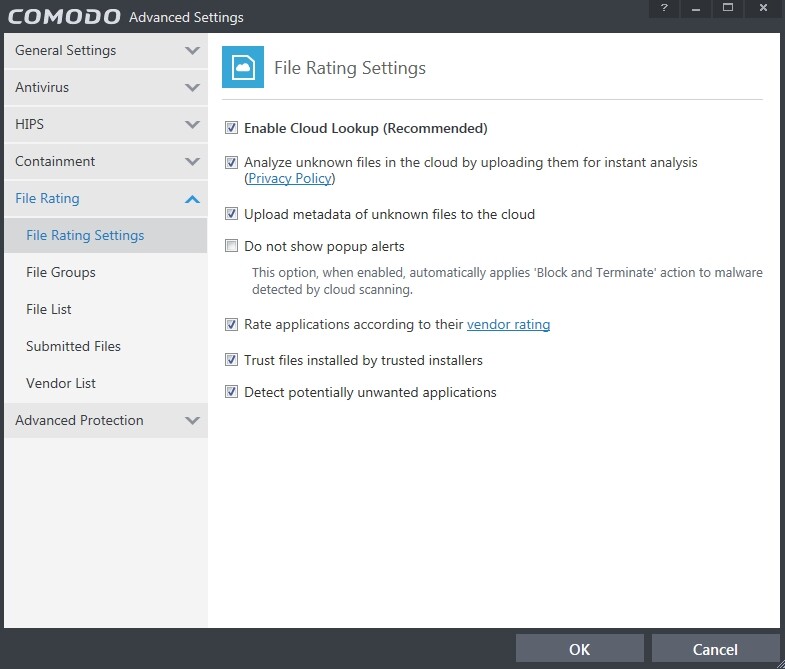
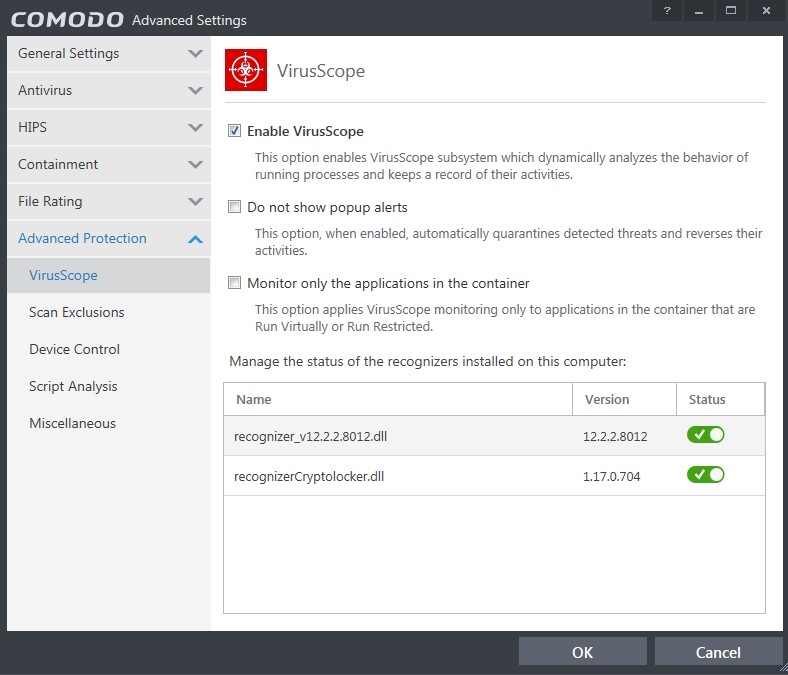
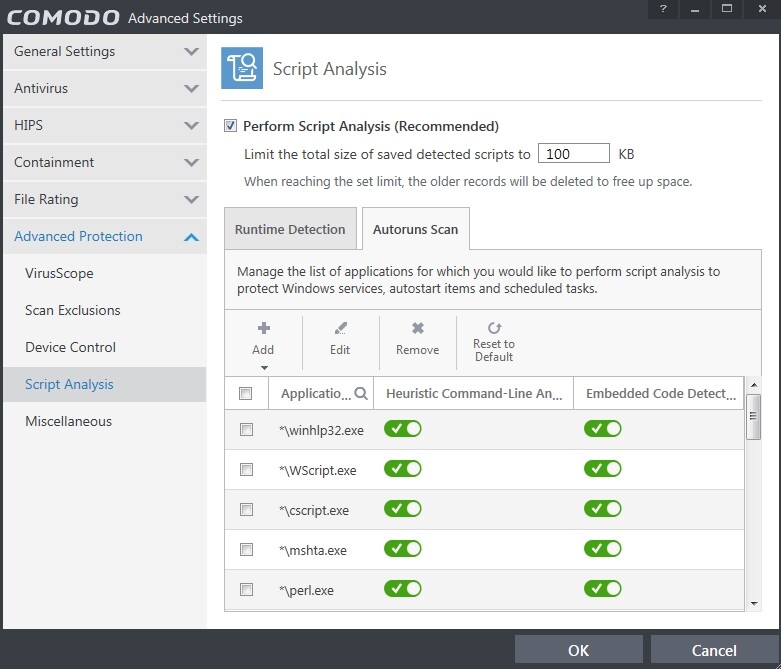
It’s also interesting that the CAV scanner doesn’t detect it as a threat. But in the sandbox, it flags it as malicious. A cloud-based superpower hidden from CAV. =):
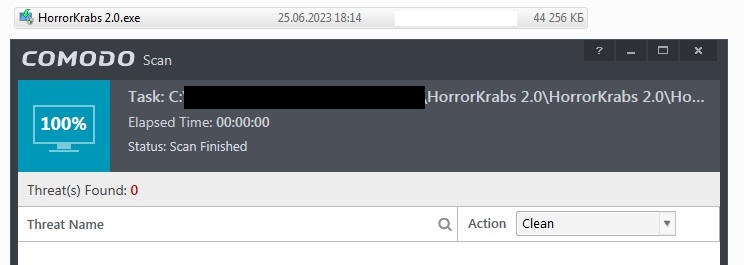

Virus hash
SHA-1: e36f1b4dbc0e73bc2a68e1a0f913d1d078ffdcc6
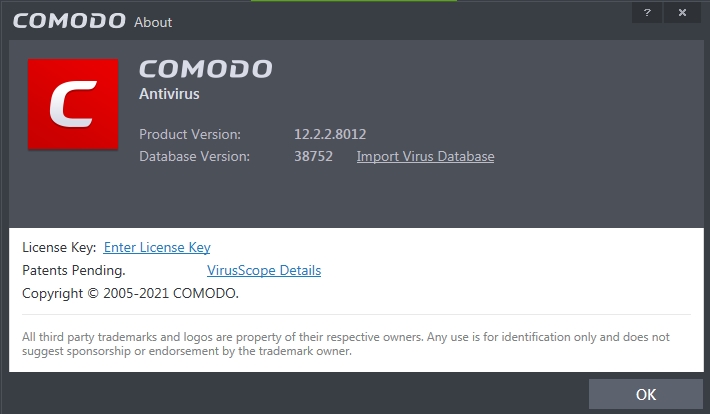
My latest version of Сomodo. And the last decent operating system from Microsoft—Windows 7 PRO:
Oh, right, I completely forgot. I heard it’s better to disable Windows User Account Control. Comodo has a bug. I disabled that, too.
I believe there is a more recent version than the one you are using.
Unfortunately, version 12.2.2.8012 is the last supported version of Windows 7. It would be nice if the developers brought back support for older systems. Back in the day, dinosaurs went extinct because their technical support ran out. And all those theories about meteorites are just a smokescreen.